Housekeeping
-

- Nanny Selection Tips
- Hello everyone! If you're reading this, there's a good chance you're embarking on the great, bold, and somewhat daunting journey of finding a nanny. Finding the perfect person to take care of your little one can feel like finding a needle in a haystack. But don't worry, I've got your back. Let's talk about some top tips that can help you find your own Mary Poppins.Know Your NeedsBefore you start your search, take a moment to figure out what you need. Part-time or full-time? Live-in or live-out? Someone who can help with homework or a nanny who can drive? Make a list of your non-negotiables. This will help you narrow your search and find the nanny who's the best fit for your family.Do Your HomeworkDon't just rely on a fancy resume. Do your homework—and I mean, really dig deep. Check references thoroughly. Ask about the nanny's reliability, parenting skills, punctuality, and how they handle emergencies. Doing a little detective work ahead of time can save you from potential headaches later on.Trust Your InstinctsFirst impressions are important, but so are second and third impressions. Pay attention to how the nanny interacts with your child. Do they make an effort to engage with them? Do your child seem comfortable around them? Trust your parental instincts—they’re usually right.Communication is keyClear, open communication is the cornerstone of a good nanny-parent relationship. Discuss your parenting philosophies, routines, and your expectations for the nanny’s role. Make sure you’re on the same page about discipline, nutrition, screen time, and other important issues.Experience isn’t all that mattersWhile experience is important, it’s not the be-all and end-all. A nanny may have years of experience but not necessarily fit in well with your family. Personality, values, and attitudes are often just as important. Remember, skills can be learned, but personality and character cannot.Check their backgroundA background check can provide additional assurance. It can provide insight into the nanny’s history and verify the details they provide. Remember, this person will be caring for your most valuable asset, so it’s worth investing in this step.Trial runBefore making a final decision, consider doing a trial run. This will give you a chance to see how the nanny interacts with your children in your absence, as well as how they handle daily routines and any unexpected situations that arise.ContractOnce you’ve found your potential Mary Poppins, it’s time to get everything in writing. Create a nanny contract that outlines duties, pay, time off, and any house rules. It helps keep everyone accountable and ensures a harmonious relationship.There you have it, folks. Your guide to finding the perfect nanny. Remember, this process takes time, and it’s okay to be picky. After all, you’re entrusting this person with your children. Keep these tips in mind, trust your instincts, and you’ll find the right nanny for your family in no time. Good luck!
-
- How to wash different fabrics?
- Let’s talk laundry, everyone! We’ve all been there – standing in front of the washing machine, staring at the mountain of clothes, wondering how we can get that beautiful silk shirt or cozy cardigan clean without ruining them. If you’ve faced this classic laundry dilemma, don’t worry! Now let’s take a look at the different washing methods for different materials!CottonCotton is like an easygoing friend that’s willing to do anything. It’s tough, versatile, and can usually withstand high temperatures. Most cotton clothes can be thrown into the washing machine with regular detergent. Just remember to wash colored cotton in cold water to prevent fading. Unless you like the chic look of shrinking, avoid high temperatures when drying!DenimAh, denim! Stylish and sturdy. However, frequent washing can cause fading and fibers to break. A good rule of thumb is to wash your jeans every 4-5 wears. Turn your jeans inside out, wash them in cold water on a gentle cycle, and let them air dry. For raw denim (the purist’s choice), consider spot-cleaning or even freezing to kill bacteria and odors.SilkSilk is the goddess of fabrics—beautiful but high-maintenance. It’s best to hand-wash silk items in cold water and a mild detergent. Rinse well, but don’t wring it out—it can damage the fibers. Instead, lay the item flat on a towel, roll it up, and press gently to remove excess water. Then, let it air dry. Remember, goddesses don’t like strong sunlight!WoolWool is cozy and warm, but it needs a little TLC. Unless the label says “machine washable,” stick to hand-washing it with a wool-friendly detergent. Don’t wring or stretch it out, or you’ll end up with a mess. Rinse thoroughly, squeeze out excess water with a towel, and lay flat to dry. Remember, heat and wool are deadly enemies, so don’t use hot water or the dryer!PolyesterPolyester is like a tough guy who doesn’t shy away from a challenge. It’s durable and doesn’t wrinkle easily. You can machine wash polyester on a warm (not hot) cycle and tumble dry on low. But avoid using too high a temperature to prevent the fabric from developing static or shrinking.LinenLinen is the quintessential summer fabric that needs gentle treatment. Hand wash or machine wash linen items in cold or warm water using a mild detergent. Avoid wringing out linen clothes; instead, roll them in a towel to remove excess moisture. Air dry linen garments and iron them while they are still damp to smooth out any wrinkles.There you have it, folks! This is your ultimate guide to washing different types of fabrics. And remember, when in doubt, always check the care label—it's like a cheat sheet from the manufacturer. With these laundry tips, you can ensure your clothes look spotless no matter what they're made of. So wash them with confidence!
-
- Did you know? Washing machines need to be cleaned, too.
- by li
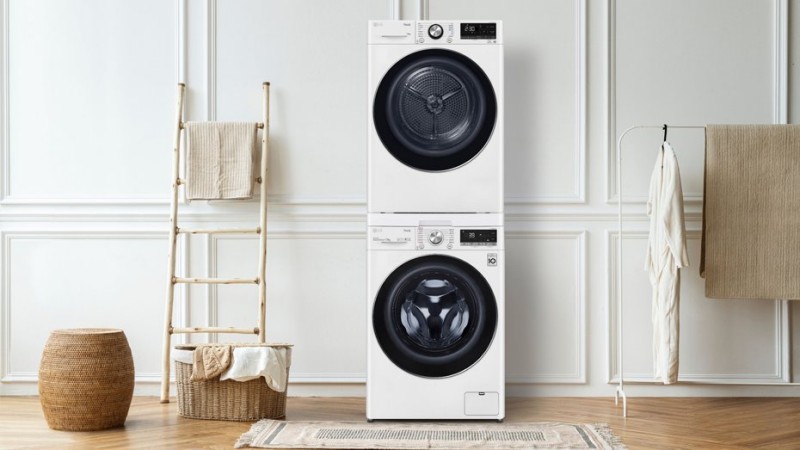
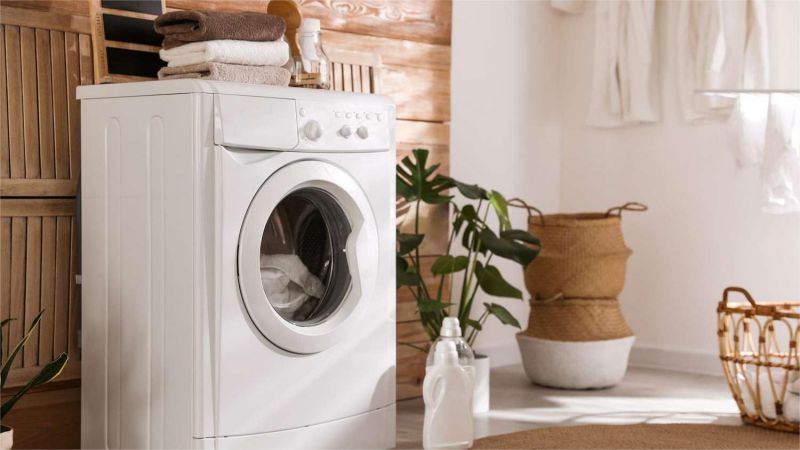
- When we think of a washing machine, the first thing that comes to mind is that it is always filled with soap and water, but the truth is not that simple. Over time, residue from detergent, fabric softener, and dirty clothes will gradually accumulate in the washing machine. Not only will these dirty accumulations cause odors inside the washing machine, but worse, they may also get on your clothes, affecting your wearing experience. Therefore, cleaning the washing machine becomes particularly important.How to clean front-loading and top-loading washing machinesWhether you have a front-loading or top-loading washing machine at home, the steps for cleaning are roughly the same. We just need to use some common household items: vinegar and baking soda. These two natural cleaners are not only safe and cheap, but also effective in removing dirt from the inside of the washing machine.Detailed explanation of the cleaning process1. White vinegar initial wash: First, set the washing machine to the hottest, longest, and largest load settings. Then, add four cups of white vinegar to the drum and start the wash cycle. White vinegar has a strong decomposition ability and can effectively remove mold, hard water, and soap deposits from the inside of the washing machine.2. Wipe and Clean: Once the wash cycle is complete, let the washer cool down a bit before opening the door. Next, wipe the drum, door, and gasket with a microfiber cloth soaked in vinegar. For those hard-to-reach areas, use an old toothbrush for a deep clean.3. Baking Soda Deep Clean: Sprinkle a cup of baking soda into the drum and run another hot water cycle. Baking soda will remove any stubborn stains and odors, leaving your washing machine fresh and clean.4. Dry and Condition: Finally, once the wash cycle is complete, wipe the inside of the drum again with a dry cloth to make sure there is no residue. Then, leave the door open and let the inside air dry.Maintain Your Washing Machine RegularlyWhile deep cleaning isn’t necessary every week, it’s recommended to do it at least once a month. There are also some everyday steps you can take to keep your washing machine in top shape. For example, empty the washing machine as soon as possible after a wash cycle to prevent mold and mildew, and leave the door open between wash cycles to keep the inside of the washing machine dry.While it may not be the most glamorous household task, cleaning your washing machine is essential to keeping your clothes clean and extending the life of your washing machine. By cleaning and maintaining your washing machine regularly, you can ensure you get the best results with every wash and extend the life of your washing machine. So give your washing machine some Tender Love!
-
- How to clean your house for pet-raising families!
- by li
- Hey, pet parents! Do you feel like your home is full of fur, paw prints, and scattered chew toys, like a small zoo? Haha, don't worry, today I'm here to give you some tips on how to keep your home clean and organized while enjoying the fun time with your pet.Fur FactorFirst, let's talk about the fur problem. Do you have a "hair-shedding monster" at home? Every time you see the hair on the sofa, carpet, or even in the food, you feel upset, right? Don't worry, there is a magic tool called "comb". Combing your pet's hair every day will greatly reduce the hair floating in the air! As for the fur that has fallen on the furniture, a hair roller or rubber gloves can easily deal with it.Annoying paw printsLet's talk about the paw print problem. When pets run in from outside, their little paws are dirty and it's easy to make a mess at home. What to do? Put a towel at the door and train them to wipe their paws when they enter the door, so that the house can be kept clean! Of course, this takes a little time and patience to train them.Chew Toy MessNext up is the mess of chew toys. Your pets are having fun, but your home is a mess. Don’t rush, buy them a special basket or box to store their toys! This will not only keep your home tidy, but also make it easier for your pets to find their favorite toys.Accidents HappenOf course, pets will occasionally cause little accidents, such as staining the carpet or knocking things over. This is when you need to clean up quickly, otherwise it will become more and more difficult to deal with. For stains on carpets, you can use a pet-specific cleaner; for stains on hard surfaces, a mixture of vinegar and water can easily get rid of them.Pet ProofingFinally, there is pet proofing! Think of it like a guardrail for babies, but this time it is prepared for pets. Cover furniture with covers to prevent scratches from hair and claws; keep fragile items out of reach of pets; and don’t forget to keep cleaning products out of reach and smell of pets to prevent them from accidentally ingesting or touching them out of curiosity.OK, OK! Having said all that, in fact, as long as everyone pays a little attention, you can live in harmony with your pets at home! Using these strategies will not only keep your home clean and tidy, but also make your pets happier and more comfortable! Come on, pet parents! I wish you and your pets a happy and joyful life every day!
-
- Protect furniture from moisture: tips for home care.
- by li
- Hi, home care heroes! Today, I want to talk to you about an often overlooked but extremely important part of housework - keeping furniture dry. We all know that moisture is the natural enemy of furniture. Too much moisture will not only make the furniture lose its original luster, but may also cause serious damage. So, how can we protect furniture from moisture?The impact of moisture on furnitureFirst of all, we need to understand why it is so important to keep furniture dry. Excessive moisture will not only cause the surface of the furniture to mold and discolor, but may also cause the wood to swell, deform, and even cause damage to the structure of the furniture. This will not only affect the beauty of the furniture, but may also shorten its service life.Moisture-proof tips for wooden furnitureFor wooden furniture, moisture-proofing is particularly important. We can take the following methods to keep it dry:Use a dehumidifier: This is the most direct and effective method. The dehumidifier can absorb moisture from the air and reduce the indoor humidity, thereby preventing wooden furniture from getting damp.Place silica gel bag: Silica gel bag is a commonly used moisture-proof tool that can absorb moisture from the surrounding area. We can put the silica gel bag in a confined space such as a drawer or wardrobe to keep the furniture dry.Moisture-proof tips for upholstered furnitureIn addition to wooden furniture, upholstered furniture also needs to be moisture-proof. Here are some practical tips:Keep the furniture away from the wall: The wall is one of the main sources of moisture, so we should try to keep the furniture away from the wall to avoid direct contact with moisture.Improve ventilation: Improve indoor ventilation and reduce indoor humidity by opening windows, using fans, etc. This not only prevents the furniture from getting damp, but also helps keep the indoor air fresh.Clean regularlyFinally, we should pay attention to cleaning the furniture regularly. For upholstered furniture, you can use a vacuum cleaner to remove dust and dirt on the surface; for wooden furniture, you can gently wipe the surface with a dry cloth to keep it dry and clean.In short, keeping furniture dry is an indispensable part of home care. By taking some simple measures, we can easily deal with the impact of humid weather on furniture and make the home environment more comfortable and healthy. I hope these tips can help you!
-
- How to properly store your clothes and give your wardrobe a makeover!
- by li
- Hey, tidy tribe! Have you ever dodged the pile of clothes that fell when you opened your closet? Or, have you ever experienced the frustration of not being able to find your favorite shirt because it got lost in a sea of clothes? If this sounds familiar, then, my friend, you have come to the right place. Today, we will explore how to properly store your clothes and give your closet a makeover.Organizing Your ClothesBefore you can do any real organizing, you have to organize your clothes. This can be a daunting task, but trust me, it's definitely worth it. Channel your inner Marie Kondo and pull out all of your clothes. Yes, all of them! Then, start sorting. Divide into three piles: one to keep, one to donate, and one to throw away.Storing Everyday ClothesOnce you've sorted out the pile of clothes you want to keep, it's time to think about how to store them. Everyday clothes, like jeans, t-shirts, and sweaters, are items you wear frequently, so they should be easy to access. Consider folding them and storing them in a drawer or on an open shelf. Here’s a little tip: try arranging them vertically, like files in a filing cabinet. That way, you can see everything at a glance and easily find what you need.Hang up your fancy clothesFor your fancy clothes, such as dresses, suits, and fine shirts, it’s best to hang them. This helps them keep their shape and prevent wrinkles. Don’t forget to replace the wire hangers provided by the dry cleaners—swap them out for wooden or velvet hangers so that your clothes are more comfortable and keep their shape better.Consider the seasonIf you’re in the middle of summer, there’s no need to let heavy winter clothes take up valuable closet space. Invest in some vacuum-sealed bags or plastic bins and store your out-of-season clothes somewhere else. Under the bed, in the attic, or in a spare closet are all good options. That way, you can easily adjust the contents of your closet as the season changes.Clothes storage may seem like a chore, but with a little time and the right techniques, you can turn your closet into an organized, practical, and even joyful space. So roll up your sleeves and get started. Your closet awaits you!
-
- Say goodbye to pesky kitchen stains!
- by li
- In our busy lives, we all have our share of carelessness, like accidentally spilling red wine on a pristine white tablecloth, or your favorite coffee cup leaving a stubborn stain on your countertop. But don't worry, I'm here to bring you some solutions to these problems today. Let's take a look at some of the most common kitchen stains and how to completely remove them to make our kitchen look brand new.Red Wine StainsFirst, let's take a look at how to deal with red wine stains. A glass of Merlot is a great way to relax after a long day, but when it's spilled on a tablecloth, it can be a real bummer. The secret to dealing with red wine stains is: blot, don't wipe. First, gently dab the stain with a clean cloth to absorb as much of the stain as possible. Then, sprinkle a generous amount of salt on the stain. Salt has a strong hygroscopicity that can absorb the wine, making it easier to wash off.Coffee StainsNext, let's take a look at how to deal with coffee stains. Coffee stains are one of the most common stains in the kitchen and a headache. However, it can be easily fixed if you use the right method. Mix one part vinegar and two parts water and apply it to the stain. Let it sit for a few minutes to allow the mixture to fully penetrate the stain, then rinse with warm water. If the stain is not completely removed, you can repeat the process several times until the stain is gone.Grease StainsGrease stains are also one of the most common stains in the kitchen. The key to dealing with oil stains is to act quickly. As soon as you find the oil stain, sprinkle some baking soda or cornstarch on it and let it absorb the oil. After it sits for a while, use dishwashing liquid and warm water to wash the oil stain away.KetchupAlso, ketchup is a common cause of kitchen stains. If you find yourself with a ketchup stain, first try to scrape off as much of the sauce as possible. Then, rinse the back of the stain with cold water to squeeze out as much of the sauce as possible. After that, rub some liquid laundry detergent into the stain, let it sit for a few minutes, and rinse with cold water again.Ink StainsFinally, let's take a look at how to deal with ink stains. Maybe you were jotting down a recipe and your pen leaked, or your child decided to draw on the kitchen table. In either case, the method for dealing with ink stains is the same. Apply some rubbing alcohol to a cloth or sponge and wipe the stain. Be patient and keep wiping until the stain is gone, then wipe the area with a damp cloth.Through the above methods, we can effectively remove various stains in the kitchen and make our kitchen look brand new. Remember, the key is to act quickly and don't let the stain penetrate. With a little know-how and effort, your kitchen can be spotless. I hope these methods can help everyone, I wish you all a happy cleaning!
-
- What should you pay attention to when housekeeping comes to your home?
- by li
- Understand your needsWant to enjoy a feast of housekeeping services that meet your expectations? Then you have to start with a deep understanding of your needs. Everyone's living habits and family environment are unique, so professional housekeeping services should also be tailor-made. Imagine that if you like a fresh and natural home environment, then the housekeeping staff can focus on bringing a breath of fresh air to your home space; if you are a busy office worker, then they can also focus on providing you with a neat and orderly work and living space. In short, by fully understanding your needs, housekeeping services can be like customized food, completely in line with your taste.Simple preparationIn order for housekeeping staff to give full play to their professional skills, you need to make some simple preparations for your home. First, tidy up the sundries in your home and ensure that the passages are unobstructed. Secondly, store valuables properly to avoid unnecessary losses during the cleaning process. In addition, if there are some special decorations or furnishings at home, you can also inform the housekeeping staff in advance so that they can take better care of your home during the cleaning process. Through these preparations, your home can provide a best service environment for housekeeping staff, allowing them to complete their work more efficiently.Be mindful of petsPets are important members of the family, but they can also present some challenges when it comes to enjoying housekeeping services. To make the service smoother, you can let the housekeeper know about your pets in advance. If they have allergies, you can choose to temporarily place your pet in another room during the housekeeping service or ask a friend to take care of it. At the same time, you also need to place your pet in a safe area during the cleaning process to prevent them from accidentally ingesting cleaning agents or other unexpected situations. With these measures, you can make housekeeping services and pets live in harmony, bringing more convenience and comfort to your family.Keep communicatingCommunication is the key to ensuring that housekeeping services meet your expectations. When communicating with housekeepers, you can tell them in detail about your preferences, needs, and expectations. For example, if you like a certain way to fold towels or want a certain area to be cleaned, you can let them know in advance. At the same time, if the housekeeper has any questions or suggestions during the service, please actively communicate with them. This open and respectful communication method will not only allow you to better understand the process and standards of housekeeping services, but also allow housekeepers to better understand your needs, so as to provide more considerate and professional services.Ensure safetyWhen enjoying housekeeping services, it is crucial to ensure the safety of your home. If you are not at home during the cleaning process, you need to provide the housekeeper with a way to enter your home in advance. To ensure safety, you can choose to give the key to a trusted neighbor or friend for safekeeping, or use modern technology such as smart door locks to ensure that the housekeeper can enter your home smoothly. At the same time, when providing access rights, please make sure that you have fully understood the background and credibility of the housekeeper to avoid any potential security risks.In short, by deeply understanding the needs, careful preparation, getting along with pets in harmony, actively communicating, and ensuring family safety, you can fully enjoy the convenience and comfort brought by professional housekeeping services. Let housekeeping services become your right-hand man in family life and create a cleaner, more orderly and comfortable living environment for you!
-
- How to remove dust and mites at home?
- by li
- Hey, friends, when it comes to cleaning, I have to talk to you about a topic that you may not like very much - dust and mites. Well, I know, it doesn't sound pleasant, but this is life, and we have to face it. However, it feels really great to clean every little corner of the house, isn't it?Let's talk about dust first. This guy is really cunning! You just wiped it off, and it came back in a blink of an eye, making the house messy and easy to cause allergies. But don't worry, dust is not so invincible. As long as you use a little force and use the right method, it will not dare to be arrogant anymore.Basic vacuumingFirst of all, we have to talk about the weapon that often helps us remove dust - the vacuum cleaner. You may think it is already very good, but in fact, it often just pushes the dust around. We have to change the method and wipe it with a damp cloth or add some detergent, so that the dust is firmly sucked and will not float around.Let's talk about vacuuming. Vacuuming is a great way to deal with dust. Regular vacuuming can keep your carpets and furniture clean. Don't forget to clean the vacuum cleaner bag or can regularly to keep it in the best condition. Also, different attachments should be used for different surfaces, which will be more effective.Removing mitesNow let's talk about mites, especially those dust mites. These little guys can't be seen with the naked eye, but they are really annoying. They like to hide in the dust and can cause allergies. Their favorite places are our beds and some decorations in the house.The easiest way to deal with these little guys is to wash your bedding regularly. Washing with hot water can kill all the dust mites hiding in the sheets and pillowcases. Don't forget the mattress and pillows. Add a protective cover to them and vacuum them from time to time, and you will be safe.Control humidityIn addition, the humidity in the house is also very important. Dust mites like a humid environment, so we have to keep our home dry. Use a dehumidifier or air conditioner to reduce the humidity, and they will dare not be arrogant anymore.Also, the soft furniture and carpets at home are hiding places for dust mites. So, if possible, we should try to use hard floors and blinds, and use less carpets and curtains. Furniture should also be easy to clean.Although dust and mites are annoying, as long as we use the right method, we can drive them out of the house. In this way, the home can be kept clean and healthy. So, don't hesitate, take action quickly! Let the dust and mites know who is the master of this home!
-
- Do you know how to protect your floors?
- by li
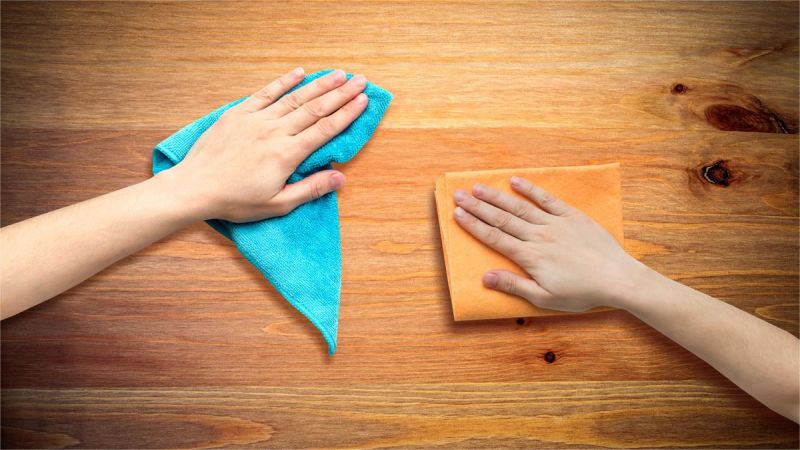
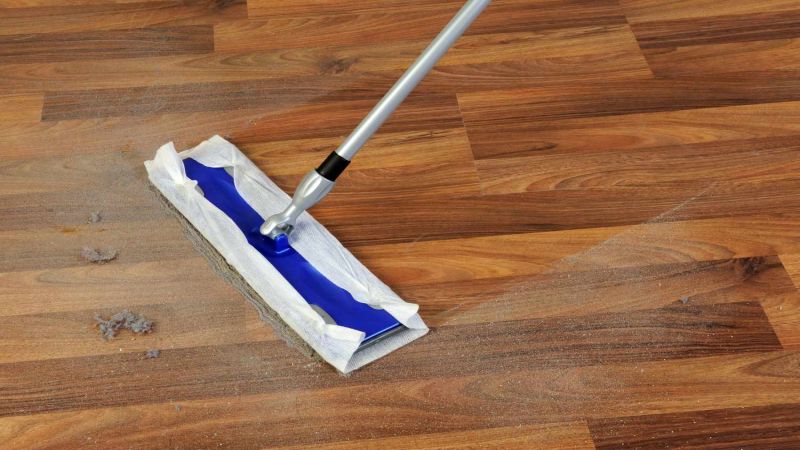
- Let's face it, floors are the unsung heroes of our homes. They silently endure the daily grind of our lives, from muddy footprints and spilled coffee to rogue Cheerios and pet hair tumbleweeds. But fear not, fellow floor warriors! This guide will equip you with the knowledge and cleaning hacks to transform your floors from battlegrounds to sparkling sanctuaries.We'll be tackling the most common floor foes, but first, a quick heads-up: different floor types require different cleaning TLC. Here's a breakdown on how to keep each surface looking its best:Hardwood FloorsHardwood floors add a touch of timeless elegance to any space, but their beauty demands a little extra care. To keep them looking their best, prevention is key. Place mats and area rugs at high-traffic areas to trap dirt and debris before it scratches the delicate surface. Regularly sweep up tracked-in offenders with a microfiber mop or a soft-bristled broom. When it comes to mopping, harsh chemicals are a big no-no. Instead, mix a few drops of gentle dish soap with a bucket of warm water. Dip your mop (wrung out thoroughly, because hardwood floors don't appreciate a swimming pool!), and glide it across the surface. Let the floor air dry or use a microfiber cloth to buff it dry. Finally, hardwood floors benefit from an occasional refresher. Use a hardwood floor cleaner specifically designed for your wood type (solid or engineered) to add a protective layer and enhance the natural beauty of the wood. Apply a thin coat with a microfiber cloth, following the manufacturer's instructions for a flawless finish.Laminate FlooringLaminate flooring offers a budget-friendly alternative to hardwood, with a variety of stylish options to suit any décor. But laminate, while tough, requires some specific care to maintain its good looks. Just like hardwood, laminate thrives on regular sweeping with a soft-bristled broom or a microfiber mop to remove dust and debris that can scratch the surface. Unlike its hardwood cousin, laminate doesn't appreciate excessive moisture. So, when mopping, use a damp mop, wrung out almost dry, with a solution of warm water and a laminate floor cleaner. Avoid harsh chemicals and abrasive cleaning pads, as they can damage the laminate's protective layer. Spills are the enemy of laminate flooring, so clean them up immediately to prevent them from seeping into the seams. Use a damp cloth for quick cleanups and a laminate floor cleaner for tougher messes. Finally, welcome mats become your best friends with laminate flooring. Placing mats at entryways helps trap dirt and moisture before they can reach your laminate haven.Tile FloorsTile floors are a popular choice for kitchens, bathrooms, and laundry rooms due to their durability and water resistance. But even these low-maintenance warriors need some occasional love to keep them sparkling. Regular sweeping with a soft-bristled broom or a microfiber mop removes loose dirt and prevents scratches on the tile's surface. Weekly mopping with a solution of warm water and a mild dish soap or a tile floor cleaner keeps tile floors clean and shiny. Remember to rinse the mop frequently to avoid spreading dirt around. Grout, the lines between the tiles, can trap dirt and grime over time. For a deeper clean, make a paste of baking soda and water. Apply it to the grout lines, scrub gently with a soft brush (think toothbrush, not power scrubber!), and rinse thoroughly. Stubborn stains can be tackled with a grout stain remover specifically designed for tile, but always test the product in an inconspicuous area first to avoid any unwanted color changes.



Most Popular
-
- Master Gardener to the Stars: Judy Garland's Garden Stories and Gardening Tips
-
- Beautiful but dangerous: These flowers are harmful to pets
- by Z
-
- Paddle the boat of nature-experience the endless fun of outdoor kayaking!
- by by wwxb
-
- Eco-Friendly DIY: Sustainable Home Improvement Projects
- by Matthew
-
- Traverse the golden dunes-conquer the loose sand beneath your feet!
- by by wwxb
-
- Did you know? Washing machines need to be cleaned, too.
- by li





Advertisement